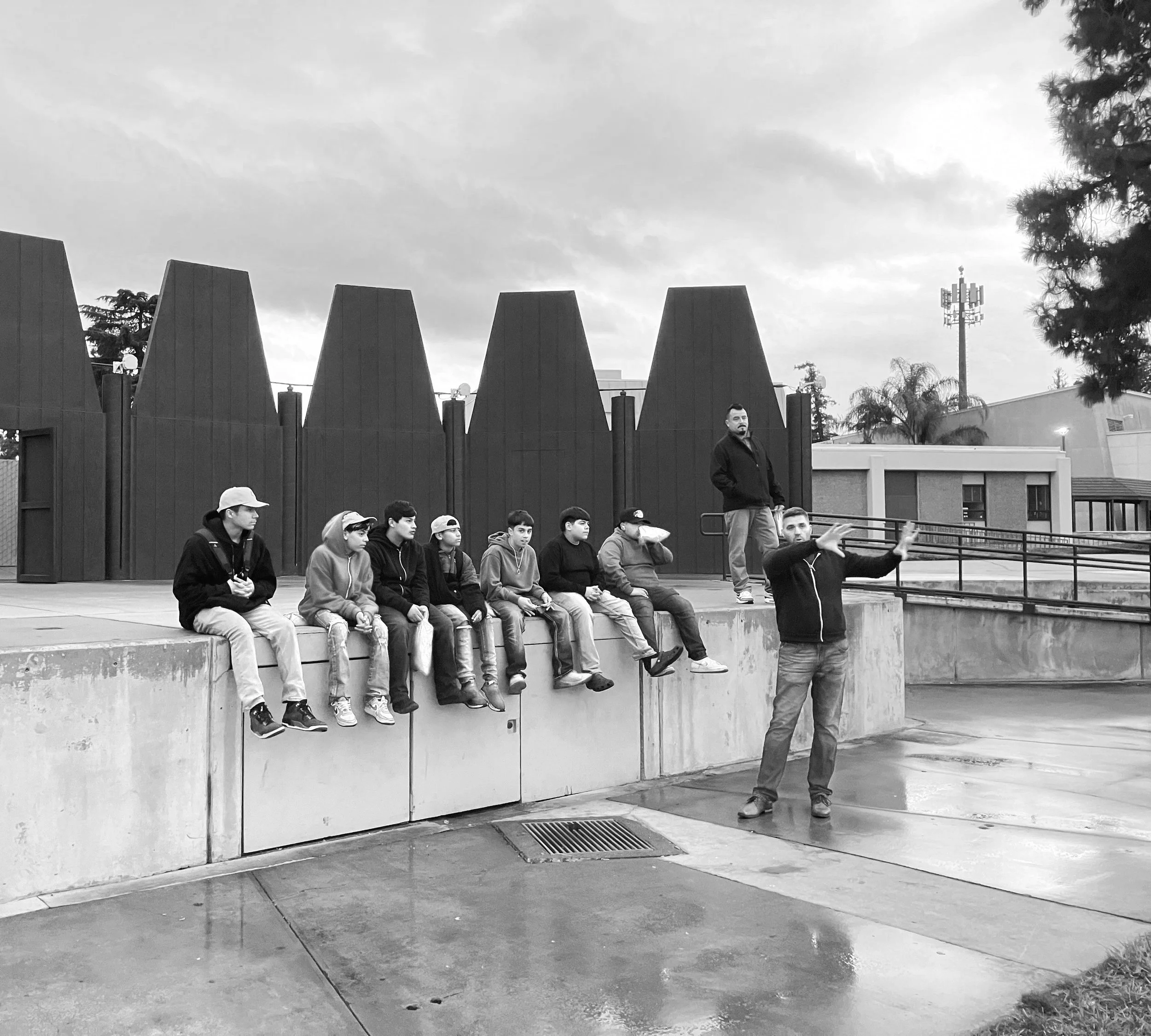
The FREEDOM Project
The Project:
-
Family
Family sessions focus on building trust, belonging, and relational safety. Through shared stories, meals, and conversation, students explore who they are, where they come from, and how family—broadly defined—shapes identity and support systems. These sessions establish the relational foundation necessary for agency, leadership, and growth throughout the FREEDOM Project.
-
Religion (Values & Belief Systems)
Religion sessions invite students to explore values, belief systems, and moral frameworks with curiosity and respect. Through guided discussions and conversations with guest speakers from diverse perspectives, students reflect on what they believe, why those beliefs matter, and how values guide behavior. The focus is not on persuasion, but on perspective-taking, critical reflection, and respectful dialogue.
-
Education
Education sessions help students develop a stronger academic identity and future orientation. Through college exposure, storytelling, reflection activities, and hands-on learning, students explore their strengths, growth areas, and aspirations as learners. These sessions emphasize agency—helping students understand that education is not just something that happens to them, but something they actively shape.
-
Entrepreneurship
Entrepreneurship sessions introduce students to initiative, problem-solving, and real-world career pathways. Through conversations with local business owners and experiential field trips, students see how ideas, effort, and responsibility translate into meaningful work. These sessions frame entrepreneurship as both a mindset and a pathway—encouraging curiosity, observation, and ownership.
-
Discipline
Discipline sessions focus on habits, self-regulation, and follow-through. Students examine how routines, effort, and choices shape outcomes in school and life. Through reflection and guided practice, these sessions help students understand discipline not as punishment, but as a tool for growth, consistency, and personal responsibility.
-
Optimism
Optimism sessions center on mindset, resilience, and hope. Students explore how they respond to challenge, failure, and uncertainty, and learn strategies for reframing setbacks and building confidence. These sessions emphasize persistence and belief in one’s ability to grow—key components of agency and long-term success.
-
Movement
Movement sessions emphasize physical activity, embodiment, and emotional regulation. Through structured movement and active engagement, students learn how physical health, focus, and well-being are connected to learning and leadership. These sessions support stress regulation, teamwork, and the development of healthy habits that carry beyond the program.
Testimonials
-
“It makes me smile because on Tuesday afternoon during my last class there is a student who watches the clock and looks out the window. He is so excited about the Freedom Project. He always asks me, "When is school out? Has the bell rung? I don't want to miss Freedom Project and Mr. Brett." This is also one of my best 1st year flute players. He has grown so much this year as a person and a scholar. I love seeing the confidence and pride he has about being involved in something that is so positive, and all the other students who are involved in this program. The students wear their Freedom Project shirts proudly, and you can just see the way they act at school how important the Freedom Project is to them. I would love to see this program grow to other schools and continue at Wright.
Mrs. Katrina Van Walterop, Music Teacher, Orville Wright
-
I really enjoyed the time spent with the students. I thought the atmosphere was fun and safe for them to share whatever was on their hearts. One moment that stood out to me the most was when one of the students shared a part of his life with us that he was struggling with. I remember that his comfortability in sharing this part of his life with complete strangers was amazing to me. I think that this comfortability stemmed from the relationship he had built with Brett Ashmun and John Torres..
Jordan Torres, FREEDOM Guest
-
“One of the best moments of the night came when we began talking about divorce in our family. All of the boys except one had divorced parents. Xavier shared quite a bit about his experiences with divorce. We continued to leave space for others to share but none jumped in. However, at one point, Lorenzo, unprompted, volunteered his thoughts on his parents divorce and the impact it has had on him. To be honest, this made me tear up because it was evident that, in that moment, he decided to reciprocate the care and vulnerability we have been providing.”
Dr. Brett Ashmun
-
“The boys played for a while but I was surprised at how quickly they stopped playing soccer to gather around the two flat tops to watch John and me cook. They were interested in the meat, the seasoning, and how we were cooking. Both parents asked if they could help. Daniel’s dad was charged with cutting the arranchera after I took it off the flat top and Christopher’s mom prepared/arranged the meal inside the classroom as John and I cleaned up. It felt great to walk back into the classroom and see the food laid out and the boys eagerly lined up for food. As they were getting ready to serve themselves, I called out, “Whoa whoa whoa.” Once I had their attention, I pointed to the one lady in the room, Christopher’s mom, illustrating she should be served first. All the boys recognized quickly that she should be served first and they moved out of the way while also grabbing a plate for her.”
Dr. Brett Ashmun
-
“After the discussion, the boys participated in a full workout—running, jumping, lifting, pulling, sit ups, push ups, pull ups. The significant aspect of watching the boys workout was that not one of them ever complained or gave up. They pushed and pushed and pushed. An example to illustrate was when Christopher was trying to jump on top of a box. He kept falling and trying again. Eventually, a trainer came over to provide Christopher with a shorter box. Christopher immediately told him he didn’t want that shorter box and that he could jump on top of the taller box. And he did. These are boys who struggle in school. They “misbehave” and don’t complete their work. Today’s session revealed something to me and I wish all of MCS was there to witness it. It revealed that these boys do care and are full of strength and perseverance.”
Dr. Brett Ashmun
Learn more about the FREEDOM Project by Grade Level
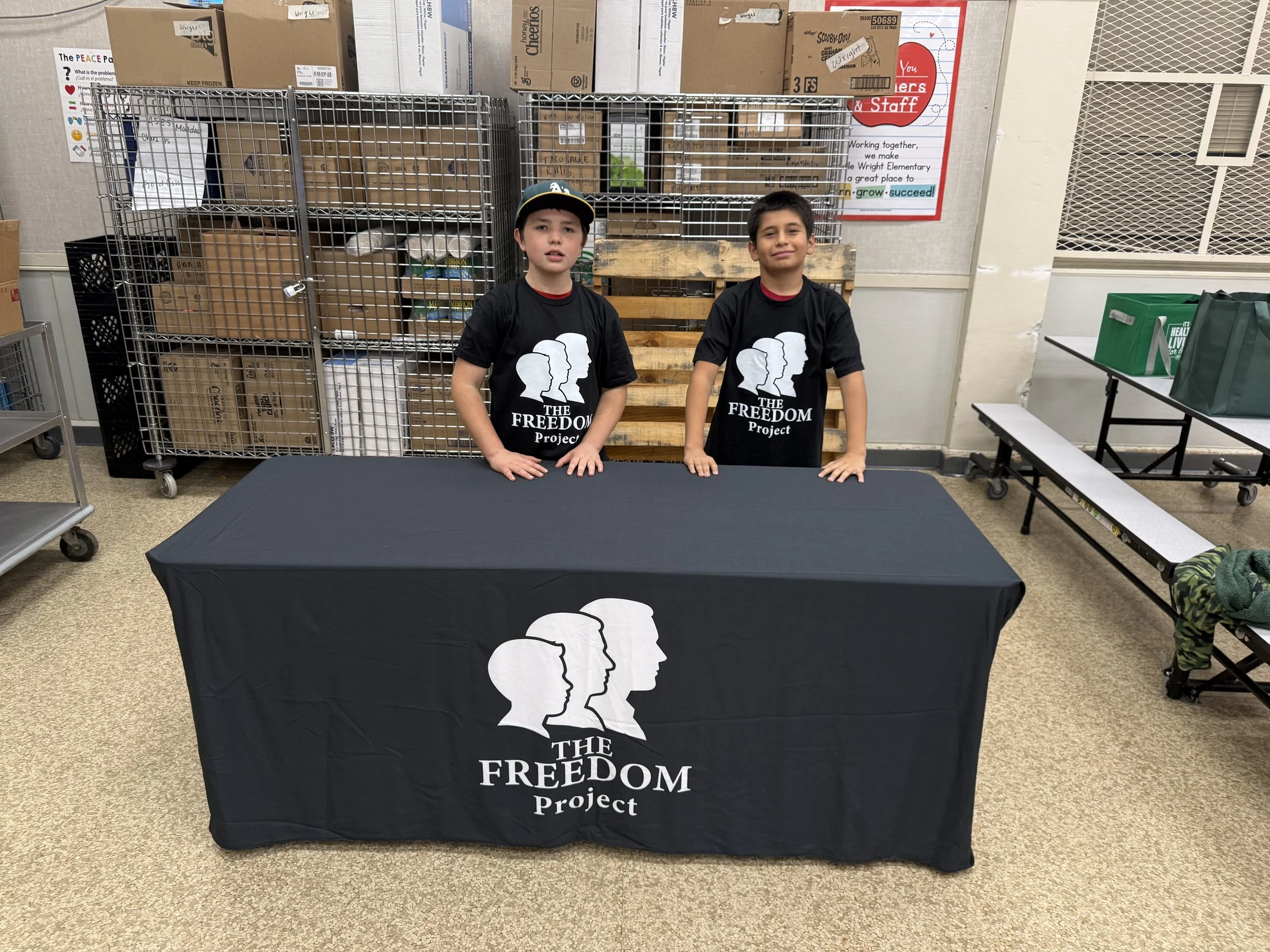
Foundations
(Elementary)
Contact Us
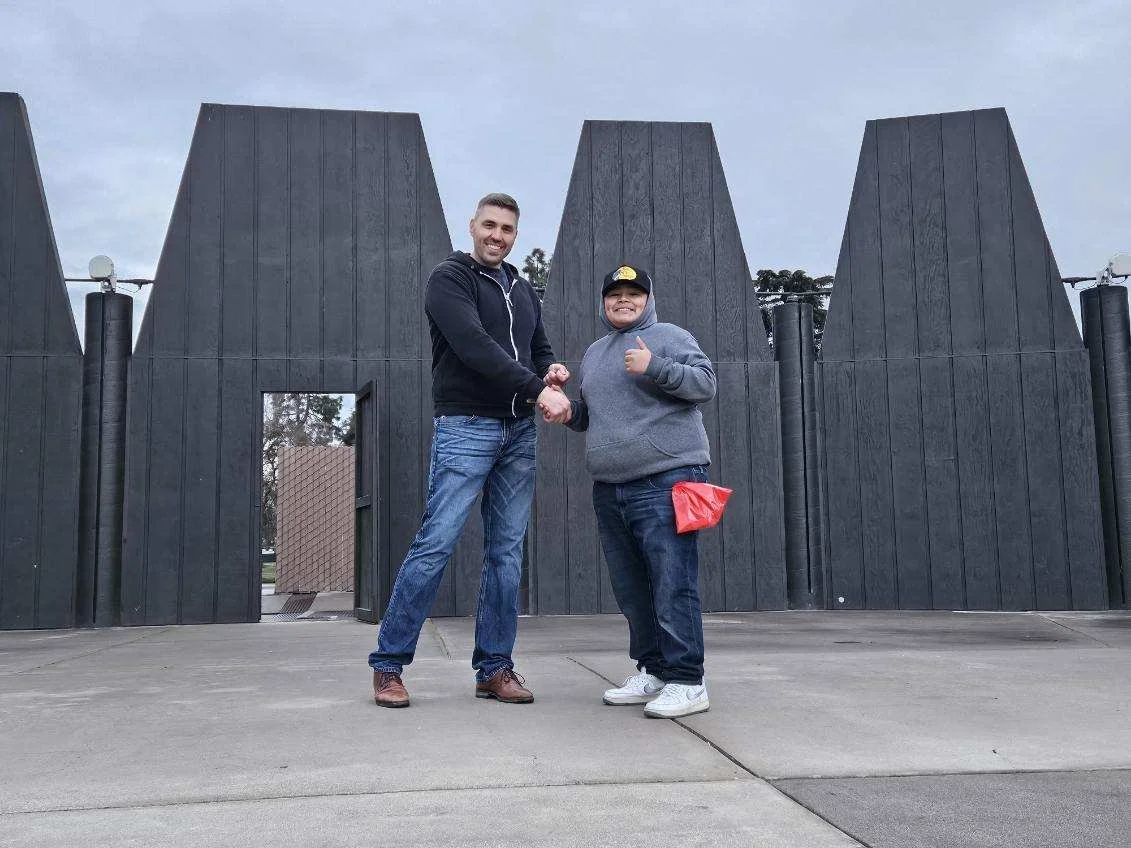
Rising
(Junior High)
Contact Us
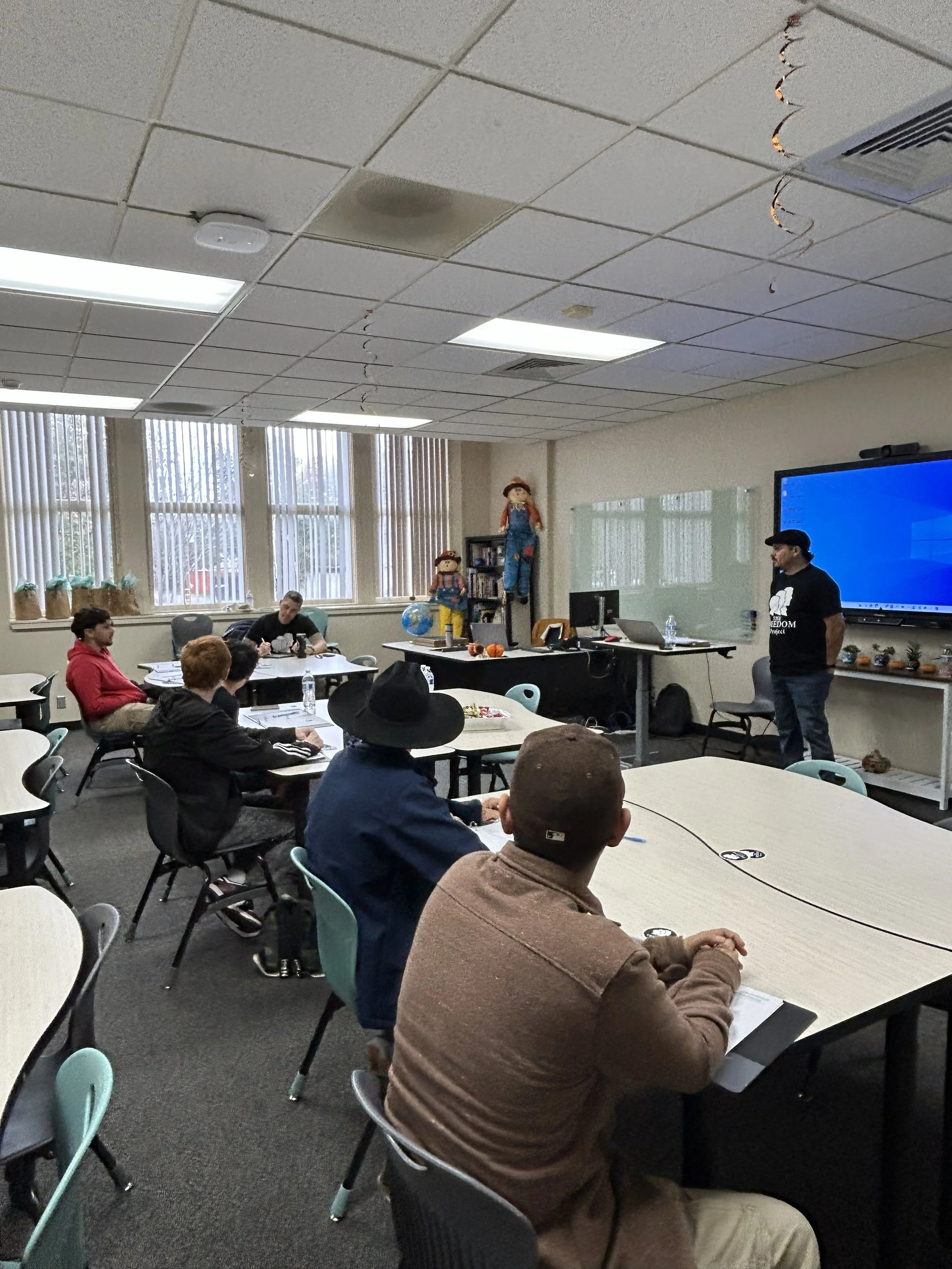
Leaders
(High School)
Contact Us
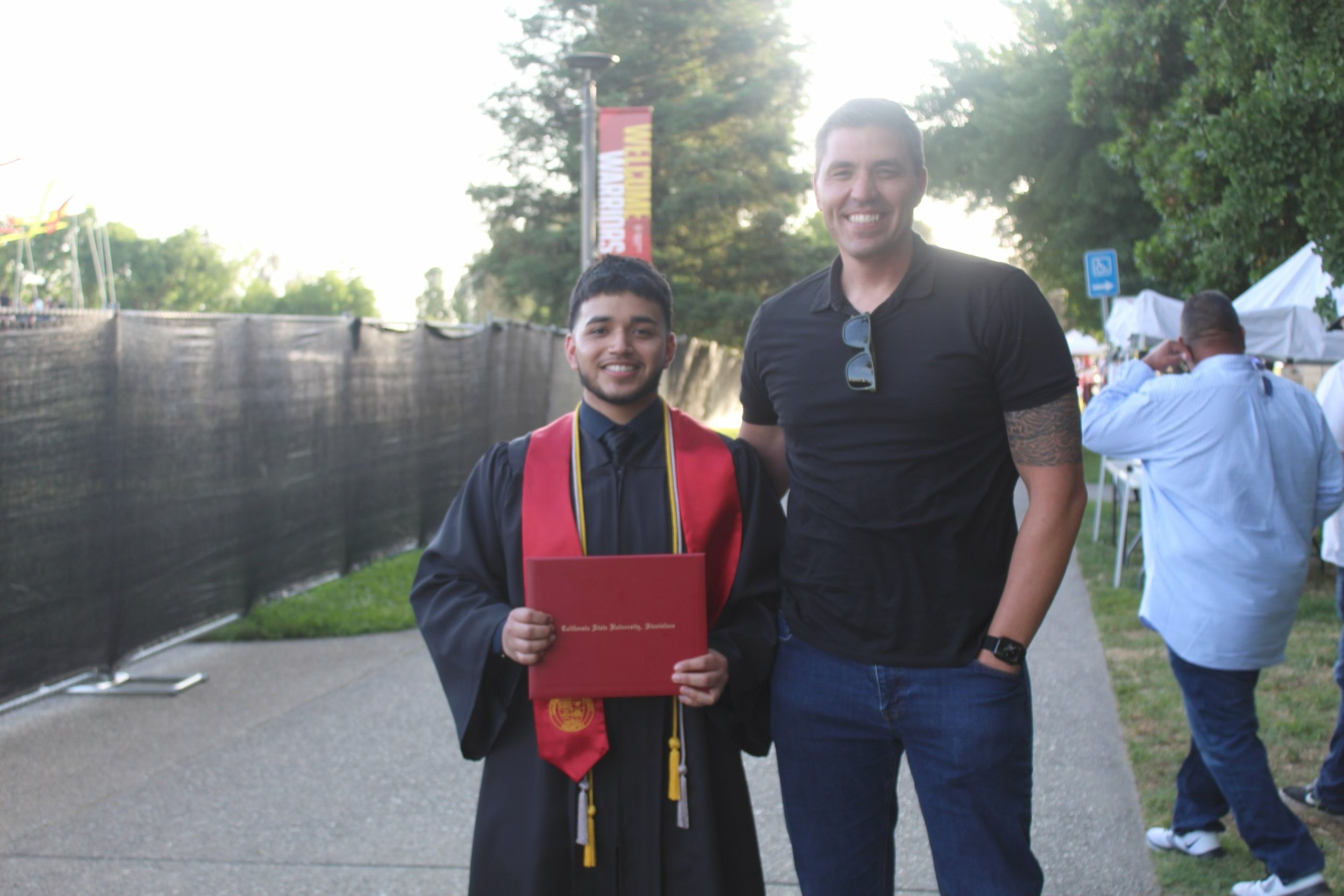
Scholars
(College)
Contact Us